


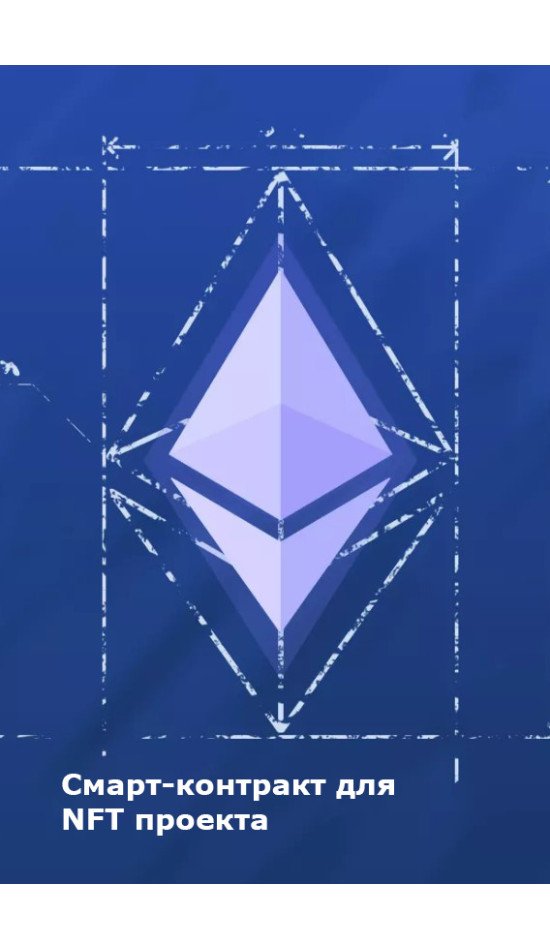
NFT smart contract development is a foundational stage in creating any digital collectible project, marketplace, or Web3 ecosystem. A smart contract acts as a self-executing program on the blockchain that governs minting, transfers, royalty distribution, and ownership of unique tokens. In the modern EVM ecosystem (Ethereum, Polygon, BNB Chain, Arbitrum, Optimism), key code requirements include absolute security and maximum Gas Optimization.
Core NFT Smart Contract Standards: ERC-721 & ERC-1155
Before writing code, it is essential to choose the appropriate token standard based on your business logic:
- ERC-721: The standard for unique non-fungible tokens. Every token features a distinct ID and metadata URI. Ideal for PFP collections, digital art, real estate, and one-of-a-kind in-game items.
- ERC-1155: A multi-token standard capable of managing both non-fungible (NFT) and fungible tokens within a single smart contract. Its batch processing capability drastically reduces gas costs during high-volume operations in Web3 gaming.
LowGAS Optimization: Minimizing Transaction Fees
Transaction execution costs in EVM networks depend directly on the computational resources consumed. LowGAS optimization allows users to pay significantly lower network fees during minting and transfers, improving project conversion and user retention.
Key LowGAS Optimization Techniques:
- ERC-721A Implementation: Created by the Azuki team, ERC-721A optimizes sequential mints of multiple tokens in a single transaction, keeping gas costs close to single-token minting through efficient storage mapping.
- Variable Packing: EVM storage slots hold 32 bytes (256 bits). Structuring smaller data types (uint8, uint64, address) efficiently packs multiple variables into a single storage slot, saving costly SSTORE operations.
- Custom Errors over Require: Since Solidity 0.8.4, using custom errors instead of verbose require strings significantly reduces contract bytecode size and execution overhead.
- Loop & Array Optimization: Caching array length in memory and using prefix increments (++i) cuts gas consumption during complex loops.
Flatten Contracts: Single-File Architecture Benefits
While modular library frameworks like OpenZeppelin are standard during development, deploying and verifying contracts on explorers like Etherscan frequently utilizes a **Flatten** approach.
A Flatten contract combines all inherited dependencies, interfaces, and base code into a single autonomous file (.sol). If your project does not require auxiliary external deployment contracts, a Flatten architecture is the most efficient choice.
Advantages of Flatten Smart Contracts:
- Seamless Verification: Single-file deployment eliminates complex multi-file JSON configuration setups on Etherscan.
- Audit Transparency: Consolidating the full codebase into one file simplifies code inspection for auditors, investors, and community members.
- Autonomy: Removing external dynamic calls mitigates potential vulnerabilities related to external module dependencies.
NFT Smart Contract Development Lifecycle
Building an enterprise-grade NFT smart contract includes critical sequential steps:
- Architectural Design: Defining mint mechanics (Allowlist, Public Mint), royalty standards (EIP-2981), IPFS metadata integration, and max supply controls.
- Code Engineering & Optimization: Writing clean Solidity code applying LowGAS patterns and compiling it into a Flatten format.
- Testing & Quality Assurance: Comprehensive unit testing (Hardhat, Foundry), edge-case validation, and testnet deployment (Sepolia, Amoy).
- Security Audit: Auditing against vulnerabilities (Reentrancy, Front-running, Overflow) using static analyzers (Slither, Mythril) and manual code review.
- Mainnet Deployment & Verification: Executing mainnet deployment and verifying source code on block explorers.
By engineering LowGAS optimized and Flatten architecture NFT smart contracts, your Web3 project achieves robust security, scalability, and optimal cost efficiency for end-users.
- WhatsApp: USA +38 (066) 576 68 96
 soft_bis
* Phone / WhatsApp: (Click on the number and you will be connected to a manager.) Calls are accepted Monday - Saturday from 9:00 to 21:00
- Тел: Viber +38 (066) 576 68 96
* Ask a question! Write a message. (Click on the number, the vase will connect you to the messenger) Messages can be sent 24/7
